
How to Handle Personal Property Claims After a Fire & Maximize Your Payout
FOR HOMEOWNERS
Free Recovery Support
WHO IT'S FOR
Want to understand the process before talking to adjusters or contractors
Just had a fire and don't know where to start
Have a question and want an honest answer
or a second opinion before signing anything
WHAT YOU GET
A Free Call With a Real Person
Location-Based House Fire Recovery Guide & Checklist
The Right Questions to Ask Adjusters & Contractors
Rebuild, Restore, or Sell — Your Options Explained
3,500+ fires navigated · BBB Accredited · Featured in Forbes & Realtor.com
No pressure. No cost. Just a clear next step.

Written By: Louis Swan
Updated: Jan 31, 2026

Edited By: Erik Russo
Updated: Jan 31, 2026
Most fire claims get underpaid in the same place: your personal belongings. Here’s how to build a strong inventory, prove value, and maximize your personal property payout without missing items.
Quick Takeaways:
- Build a detailed inventory (room by room) with brand, model, age, and photos when possible.
- Don’t accept generic descriptions—specific items usually get higher valuations.
- Track depreciation vs replacement cost and submit receipts or proof to recover more.
- Include overlooked losses like smoke damage, specialty cleaning, and storage/temporary living costs if covered.

Had a House Fire? Get a Clear Path Forward
We've Helped 3,500+ Owners Like You
Had a House Fire?
We will get back to you as soon as possible.
Please try again later.
Disclaimer: Any estimates, tools, calculators, quizzes, guides, or educational content provided by House Fire Solutions are for informational purposes only. Results are not guarantees, offers, or professional opinions. Actual insurance payouts, restoration costs, timelines, and outcomes vary based on policy language, coverage limits, property conditions, local regulations, contractors, and insurer practices. Homeowners are solely responsible for verifying all information and making their own decisions. House Fire Solutions does not provide legal advice, insurance advice, or claims representation. Homeowners should independently verify information and consult qualified professionals before taking action.
The smell of smoke clings to everything, and that first look inside your home is a gut punch. Beyond the immediate heartbreak, an urgent financial clock starts ticking: the insurance claim.
Your policy is supposed to be a safety net, but the truth is, the burden of proving every single lost item now rests entirely on you. Inaccurate or incomplete home inventories are a primary reason claims are underpaid, leaving families without the funds needed to truly recover.
This overwhelming task arrives at a time of intense emotional trauma, which feels nearly impossible to manage. But taking back control begins with turning that chaos into a series of clear, manageable steps.
You will learn the critical actions to take in the first 48 hours to protect your claim’s integrity. We will show you how to create a thorough room-by-room inventory with evidence that insurance companies can't easily dispute.
Understanding the crucial difference between "Actual Cash Value" and "Replacement Cost" is essential to calculating your losses accurately. This knowledge equips you to steer the filing process, meet the strict deadlines for your "Proof of Loss" statement, and work effectively with your insurance adjuster.
From your first meeting to negotiating the final settlement, you will gain the confidence to advocate for yourself. The path to rebuilding your life starts right here, with the strategy to secure the
maximum settlement you are entitled to.
Immediate Actions To Protect Your Personal Property Claim
After the fire trucks leave, the silence is deafening. Standing there, looking at what’s left of your home, is a moment of pure shock and emotional whiplash.
I know that feeling of complete overwhelm, but this is a critical 48-hour window. The actions you take immediately after a house fire set the foundation for your entire personal property claim and can dramatically impact your financial recovery.
Before you do anything else, get a folder or even just a large envelope. Keep every single receipt for expenses you incur because you can't live at home—hotels, meals, new socks. These are likely reimbursable under your policy’s
Additional Living Expenses (ALE) coverage, and this folder is your first step in taking back control.
Ensuring Safety Before Entering Your Property
The urge to rush back inside to see what’s left is powerful, a desperate need to connect with what was. I remember that exact feeling, but you must resist it.
A post-fire home is a minefield of invisible dangers. Your safety, and your family's, is the only priority that matters right now. Do not enter the property until the fire department has officially declared it safe. The structure itself could be unstable, with weakened floors and a roof prone to collapse. Even if it looks stable, the environment is hazardous:
- Toxic Air: The air is thick with soot and chemicals that can cause serious, long-term respiratory damage.
- Electrical Risks: Live wires may be exposed, posing a severe electrocution risk.
- Slip-and-Fall Hazards: Water used to extinguish the fire creates treacherous, slippery surfaces.
Notifying Your Insurance Company Within The Critical Time Window
This is your first and most important phone call. Your policy contains a clause requiring you to notify your insurer of the loss "as soon as reasonably possible," which in practice means within 24 to 48 hours.
Delaying this call slows down everything. When you call, have your policy number handy and be prepared to write down two crucial pieces of information:
- Your new claim number.
- The full name and direct contact information for the insurance adjuster assigned to your case.
This call officially starts the
claims process and a series of timelines. Your insurer will need a copy of the official fire report, and this call also begins the countdown toward critical deadlines, such as the requirement to submit a sworn "Proof of Loss" statement, which is often due within 60 days.
Securing Your Property To Prevent Additional Damage
Your insurance policy includes a "duty to mitigate damages." This is a formal way of saying you are contractually obligated to protect your property from getting worse after the initial event.
If a window is broken and a rainstorm ruins a nearby piece of furniture, the insurer can deny the claim for that secondary water damage. You must take reasonable steps to prevent further harm from weather, vandalism, or theft. This often involves hiring an emergency service to board up broken windows, tarp a damaged roof, or install temporary fencing.
Keep detailed receipts for any of these services, as they are a covered cost of the claim. The thought of finding a contractor right now can feel impossible; a professional fire recovery service can manage this emergency board-up for you, ensuring it’s done to your insurer's standards so you can focus on your family.
Preserving Evidence While The Scene Is Fresh
Before a single item is moved, cleaned, or thrown away, you must document the scene exactly as it is. Your damaged belongings are the primary evidence for your claim, so do not discard anything—no matter how charred or ruined it appears—until your insurance adjuster has inspected it.
Your smartphone is the most powerful tool you have right now. Once it's safe to enter, walk through every single room and create a thorough visual record.
- Take wide-angle photos of each room from multiple corners to show the overall scope of the damage.
- Take detailed close-up photos of specific high-value items like electronics, appliances, and furniture, even if they look destroyed.
- Record a video as you slowly walk through the home. Narrate what you are seeing, calling out specific items and describing the damage. For example, "This is the living room. The 65-inch television is melted. The leather sofa is destroyed by smoke and water."
This initial documentation is invaluable. It captures a raw, undeniable snapshot of your loss that will be crucial in the weeks to come as you begin building your detailed contents inventory.
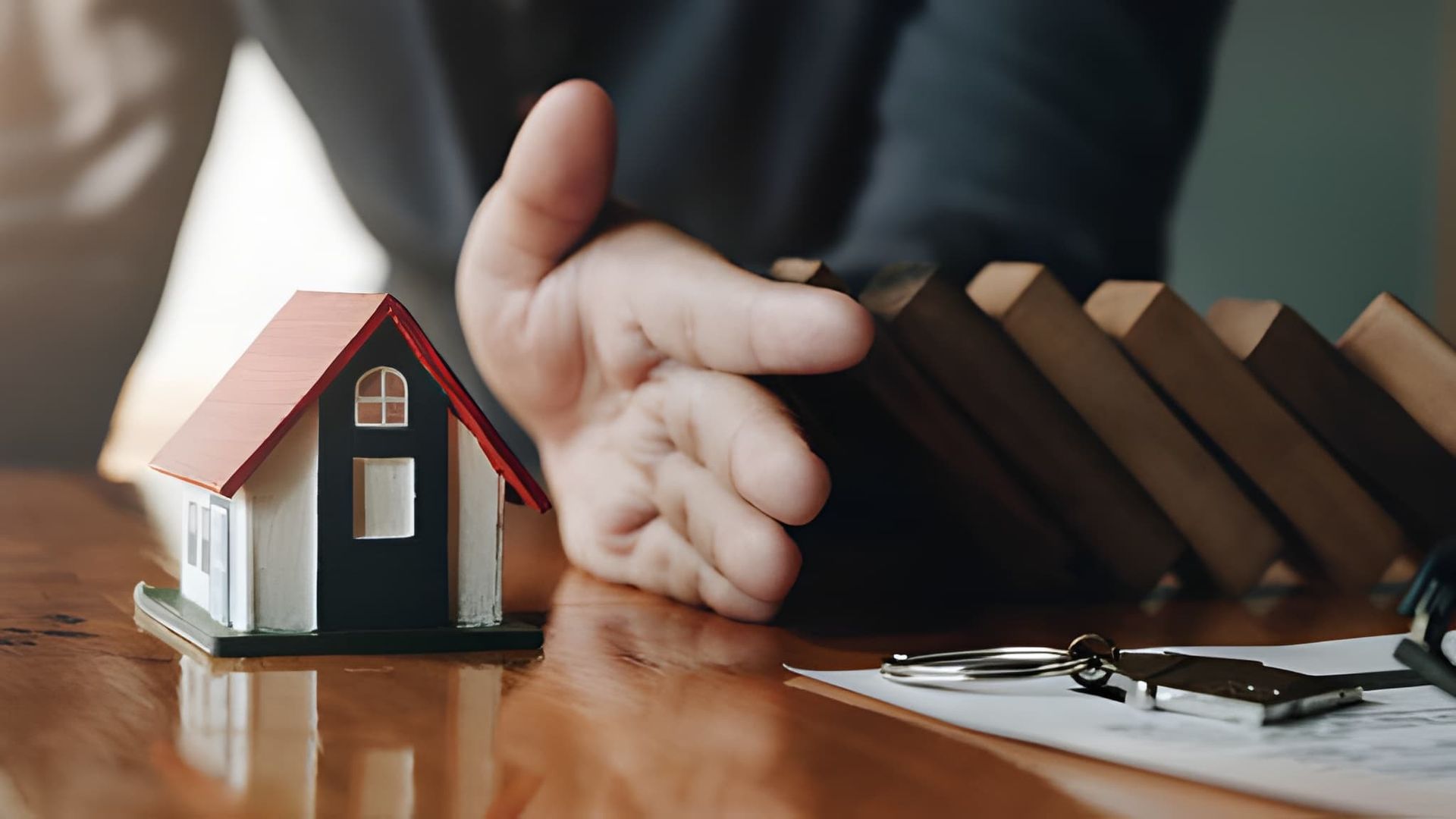
Creating A Comprehensive Inventory Of Your Damaged Personal Property
Of all the mountains you’ll climb after a fire, this one can feel the cruelest. You are being asked to create a detailed inventory of your personal belongings, methodically listing every single item you’ve lost. It feels like turning cherished memories into cold line items on a spreadsheet, but this document is the heart of your personal property claim.
The thoroughness of your contents list will directly determine the
size of your settlement. I remember the profound weight of this task, so take a moment to pause and collect yourself. You don't have to do it all at once; you just need a strategy.
Room-By-Room Documentation Strategy For Maximum Coverage
Trying to inventory your entire house at once will lead to burnout. I’ve seen it happen, and I’ve felt it myself. The only way to tackle a task this monumental is to break it down and approach it systematically, one space at a time.
Start with the room that feels most manageable, like a small bathroom or a single closet, not the kitchen. Your goal is to create a detailed list on a spreadsheet or a form from your insurance company. For every single item, you must capture these details:
- Item Description and Quantity: Be painfully specific. Instead of "clothes," list "5 pairs of Levi's 501 jeans" and "3 J. Crew merino wool sweaters."
- Brand, Model, and Serial Number: This is non-negotiable for electronics and appliances. Scrape away the soot to find the metal plates or stickers on the back of devices.
- Age of the Item: Give your best estimate of how old the item was when the fire occurred.
- Original Purchase Price: What did you pay for it? Your memory, bank statements, or old emails can help here.
- Current Replacement Cost: What would it cost to buy the exact same item (or a comparable one) new today?
This level of detail feels exhausting, but it prevents the adjuster from making lowball assumptions about the quality and value of your life's possessions. It’s your proof.
Photographing And Video Recording Techniques That Insurance Companies Accept
Your initial photos captured the immediate, shocking aftermath. Now, your documentation must become forensic evidence to support your inventory list. As you inventory each item, take a corresponding photo.
Get close-ups that show a brand name or the specific type of damage. If you find a remote control in the debris, photograph it; it can prove the model of a television that is otherwise a melted wreck. A video walkthrough can also be incredibly powerful, especially when "fire brain" makes it hard to remember details later.
Narrate as you record, opening drawers and closets. "This top dresser drawer held all my socks and undergarments, approximately 30 pairs of Smartwool socks and 20 pairs of Calvin Klein underwear." This verbal record will be invaluable when you sit down to build your spreadsheet weeks later.
Categorizing Items By Damage Level And Salvageability
As you document, you'll mentally sort items into three piles: destroyed, salvageable items, and undamaged. Be extremely cautious here. Be extremely cautious—an item that looks fine on the outside may be ruined by smoke, heat, or water damage that isn’t immediately visible.
For example, the internal electronics of your computer might be fried from the intense heat and humidity, effectively making them items to discard, even if the case looks intact. Do not throw anything away until your adjuster has inspected it and agreed in writing that it is non-salvageable. This is a common and costly mistake survivors make in the first few days.
You have the right to be part of this decision. If a
restoration company is hired for a "pack-out," be clear about which items you want them to attempt to clean and which you want "cashed out" on your claim.
Gathering Pre-Fire Evidence To Prove Ownership And Value
What happens when all your paper receipts were destroyed in the fire? This is the reality for almost every survivor. Fortunately, your digital life can become your financial lifeline. Comb through your online history for evidence of ownership and value.
- Credit card and bank statements are invaluable for proving purchases.
- Online shopping accounts like Amazon, Target, or Wayfair hold detailed order histories.
- Your email inbox is likely full of digital receipts and shipping confirmations.
Look through old family photos and social media posts. A picture from last Christmas might clearly show the painting that hung in your dining room or the specific brand of television in the background.
For high-value items like jewelry or fine art, check if they were covered under a separate "rider" or "floater" on your policy, as these require specific documentation and may need a professional appraisal.
Calculating The True Value Of Your Personal Property Losses
After the immense effort of creating your inventory, you now face what can feel like the coldest part of the process: assigning a dollar value to your life’s possessions. It’s one thing to list a cherished family photo; it’s another to see it reduced to a number on a claim form.
I remember this feeling well. But learning how your
insurance company calculates value is the single most important financial skill in your recovery. It is the key to ensuring the
settlement you receive is fair and truly sufficient to rebuild.
Replacement Cost Versus Actual Cash Value Methods
Your insurance policy will use one of two methods to pay for your lost items: Replacement Cost Value (RCV) or Actual Cash Value (ACV). Knowing which one you have is critical, as it will impact your final settlement by tens of thousands of dollars.
- Actual Cash Value (ACV): This is the cost to replace an item, minus depreciation. Think of it as the "garage sale" price. ACV is what your five-year-old couch is worth today, not what it will cost to buy a new one.
- Replacement Cost Value (RCV): This is the amount needed to buy a brand-new, similar item at today's prices, with no deduction for age or wear. This is the coverage you want.
However, there’s a catch with RCV that trips up many fire survivors. The
insurance company first pays you the ACV amount. You only receive the rest of the money—the "recoverable depreciation"—after you buy the replacement item and submit the receipt.
Researching Current Market Prices For Your Damaged Items
To get a fair settlement, you must research the current replacement cost for everything on your list. The adjuster works for the insurance company; you are the only expert on the life you lost.
For your 55-inch Samsung TV, find the price for a comparable new model on Best Buy's or Amazon's website. Do the same for your Cuisinart coffee maker and your Nike running shoes. If an item is no longer made, find the cost of a modern equivalent with similar features. Always remember to include sales tax and potential delivery fees in your final value.
Handling High-Value Items That Require Professional Appraisal
Here is a painful surprise many survivors discover too late: most policies have "special limits of liability" on high-value categories. Your policy might only cover a total of $1,500 for all lost jewelry or $2,500 for firearms, no matter what they were actually worth.
Check your
policy's declarations page immediately to understand these sub-limits. For items that appreciate in value, like fine art, antiques, or collectibles, a standard depreciation formula doesn't work. These almost always require a
professional appraisal to establish their
market value, an investment that ensures you are properly compensated for your most unique assets.
Accounting For Depreciation And Age-Related Value Changes
If you have an ACV policy or while waiting for your RCV funds, you will have to deal with the adjuster's depreciation math. It can be a gut punch to see an adjuster say your belongings have lost most of their value on paper.
But remember this:
depreciation is a negotiation, not a fixed number. If your three-year-old sofa was in pristine condition, you can and should argue for a lower depreciation rate. This is where your pre-fire photos become powerful negotiating tools, proving the excellent condition of your belongings and justifying a higher valuation.
Navigating The Insurance Claim Filing Process For Personal Property
You’ve just relived every memory while documenting your lost belongings, and now a mountain of paperwork awaits. This is the moment your emotional inventory transforms into a financial settlement, and precision is everything. It can feel impossible when you're exhausted, but successfully
handling a house fire insurance claim is the key to funding your recovery.
Completing Your Proof of Loss Statement Accurately
Submitting your claim is like presenting your story; the better your evidence is organized, the more clearly it will be understood. A shoebox of receipts or a scattered list invites delays and questions at a time when you can't afford either. Your goal is to provide a clear, professional package that helps the adjuster approve your claim efficiently.
Create a dedicated digital folder or physical binder with clear sections. This small act of organization gives you a powerful sense of control.
- The completed and signed Proof of Loss statement.
- Your detailed, room-by-room inventory list.
- All photos and videos you took of the damage and lost items.
- Proof of ownership and value, such as receipts, credit card statements, or even pre-fire family photos showing the items.
- Professional appraisals for high-value items like jewelry, art, or collectibles.
Presenting a claim this thoroughly signals that you are an organized and credible partner in the process. It substantiates your losses and moves you closer to a fair settlement.
Meeting Critical Deadlines That Could Affect Your Claim
In the fog of post-fire recovery, it’s easy to lose track of time, but insurance companies run on a strict clock. While you must notify your insurer of the fire immediately, the most urgent deadline now is for your Proof of Loss statement. Most policies require you to submit this sworn document within 60 days of the insurer's request for it.
This is not a flexible guideline; it is a firm deadline that can jeopardize your entire claim if missed. Ask your adjuster to confirm every single deadline in writing. Mark these dates prominently on a calendar and set multiple reminders on your phone to ensure you don’t miss them.
Following Up Strategically Without Overwhelming Your Adjuster
Once your claim is filed, the waiting period can be agonizing. While it’s tempting to call constantly, strategic communication is far more effective. The single best tool for this is a claim log—a simple notebook where you record every interaction with the insurance company. Note the date, time, person’s name, and a summary of the conversation for every single call or email.
Follow up with your adjuster via email, which creates a written record and is less intrusive than a phone call. A polite, professional check-in once a week is perfectly reasonable.
For example:
"Hi [Adjuster's Name],
I'm checking in on the status of my personal property claim, submitted on [Date]. Please let me know if you need any more information from me to keep things moving. Thank you."
This approach keeps your claim on their radar while building a cooperative, rather than adversarial, relationship. It protects your interests and shows you are proactively managing your recovery.
Working Effectively With Insurance Adjusters And Claim Representatives
The moment the insurance adjuster’s car pulls up to your home is a pivotal one. I remember watching them walk toward my own charred doorway, knowing this person held the keys to my family’s financial recovery.
It’s critical to remember a fundamental truth when you are dealing with an insurance adjuster after a house fire: the insurance adjuster, no matter how friendly, is employed by the insurance company.
Their primary responsibility is to the company's bottom line, not yours. Your relationship must be professional and precisely documented because this is a
business negotiation, and you are the CEO of your recovery.
Preparing For Your First Meeting With The Insurance Adjuster
That first site visit, which often happens in the fog of week two or three, sets the tone for your entire claim. Do not let the adjuster walk the property alone. Your policy requires you to cooperate, and the best way to do that is to be an active, present guide. When you first meet, get their essential information. It’s not rude; it’s professional.
- Full name and title
- Direct phone number and email address
- Adjuster license number
Then, walk the property with them. This is your chance to be the tour guide of your loss, pointing out damage they might otherwise miss. Show them the smoke that seeped into the back of a closet or the heat damage that warped electronics across the room from the actual flames. You lived here; you know what’s missing and what’s broken.
Presenting Your Personal Property Evidence Professionally
When the adjuster asks for your list of lost belongings, do not hand them a tear-stained, crumpled notebook. Present them with the organized binder or digital folder you prepared, with copies ready for them to take. This single act transforms the approach, showing you are serious and have already done the work to confirm your claim.
Guide them to the physical proof of your loss. It is absolutely crucial that you do not throw away any damaged items until the adjuster has seen them and given you written permission to dispose of them.
A clean, empty room gives them nothing to verify. Point to a pile of debris and explain, "This was the living room sofa on page three of my inventory." Even unrecognizable remains validate that line item on your list.
Negotiating When You Disagree With The Initial Settlement Offer
It is very likely that the first settlement offer you receive will feel like a gut punch. Seeing your life’s possessions valued at a fraction of their worth is one of the most common challenges in fire insurance claims and a painful part of this process.
This initial payment is often based on the Actual Cash Value (ACV)—the cost to replace an item minus depreciation for its age and use. This is not the final word; it is the start of a negotiation.
If your policy includes Replacement Cost Value (RCV) coverage, you are entitled to the funds to buy new items.
The difference between the ACV you were paid and the actual replacement cost is called "recoverable depreciation," which you claim after submitting receipts for the new purchases. If you disagree with the adjuster’s valuation, you have the right to challenge it with evidence.
- Provide proof: Gather your own research, including online price comparisons and quotes from retailers for comparable new items.
- Invoke the Appraisal Clause: If a significant dispute persists, most policies contain this formal process where you and the insurer each hire an independent appraiser.
- Hire a Public Adjuster: Consider hiring a licensed professional who works for you, not the insurance company, to manage the claim and negotiate on your behalf.
Documenting All Communications To Protect Your Interests
In the blur of fire recovery, conversations are easily forgotten, and verbal promises can be misremembered. Your mantra must be: if it isn’t in writing, it didn’t happen.
Maintain a claim diary, logging every phone call and meeting. After every important conversation, send a brief, polite follow-up email to the adjuster to create a paper trail. For example:
"Hi [Adjuster's Name],
Just to confirm our call today, you have authorized us to begin clearing the living room debris. Please let me know if my understanding is incorrect."
This simple step prevents misunderstandings and holds everyone accountable. This written record is your most valuable tool for protecting your interests and ensuring a fair recovery.
Resolving Disputes And Maximizing Your Personal Property Recovery
I remember getting that first settlement offer. It felt like a second gut punch after weeks of sifting through ash and memories, trying to create an inventory of a life that was gone.
When you see that impossibly low number, it can make you feel powerless all over again. But I need you to hear this: an initial offer is not the final word used in
preventing disputes with insurance adjusters. It is the start of a
negotiation, and you have more power than you think.
Identifying Red Flags That Indicate Claim Underpayment
That sinking feeling in your stomach when you see the settlement number is often your best guide when dealing with underpaid fire insurance claims. Trust it, and then back it up by looking for specific red flags in the adjuster’s report.
A common tactic is undervaluing your lost items with generic, lower-quality equivalents. Did they value your high-end tools as a cheap starter set, or your name-brand television as a budget model? This is why your pre-fire photos and model numbers are so crucial. Watch for these other major warning signs:
- Unreasonable delays in processing your claim or answering questions.
- A refusal to provide a written, line-by-line explanation for their valuation.
- Intense pressure to accept the offer and sign a final release quickly.
- The adjuster suddenly stops returning your calls after you question their numbers.
You have a
contractual right to a clear explanation and a fair process.
When To Consider Hiring A Public Adjuster For Personal Property Claims
If your claim is large, complex, or you’ve hit a wall in negotiations, it may be time to bring in the best public adjuster for fire damage to serve as a professional advocate. The decision fatigue after a fire is real, and you don't have to fight this battle alone.
A Public Adjuster is a licensed professional who works for you—the policyholder—not the insurance company. Their entire job is to prepare, document, and negotiate your claim to achieve the maximum possible settlement under your policy.
They work on a
contingency fee, typically 5% to 15% of the settlement they secure for you. For many survivors, the significant increase in their final payout far outweighs this fee, and it lifts the immense burden of the claims process from their shoulders.

Exploring Legal Options If Your Claim Is Denied Or Delayed
When direct negotiation fails, navigating the appeal process for denied fire claims usually reveals that your policy itself contains the next step. Most standard policies include an "Appraisal Clause," a powerful but often overlooked tool for breaking a stalemate without going to court.
If you disagree on the value of your loss, you can invoke this clause. Here is how it typically works:
- You hire an independent appraiser.
- The insurance company hires one.
- Those two appraisers select a neutral "umpire."
A decision agreed upon by any two of the three is binding. If you believe the insurance company is acting unfairly, file a complaint with your state’s Department of Insurance.
If an insurer unreasonably denies a valid claim or engages in extreme delays, you may have grounds for a
"bad faith" lawsuit. This is a serious legal action where you should consult an attorney for assistance in
determining if legal help is required for fire claims, as it can potentially allow you to recover damages beyond your policy limits.
Managing Additional Living Expenses While Your Claim Is Processed
While you are fighting for a fair settlement on your property, you still need a place to live. Your Additional Living Expenses (ALE) coverage is a critical lifeline, but it requires diligent management.
Keep every single receipt for costs incurred because you can't live at home. Submit these expenses to your ALE adjuster regularly, not all at once. These costs often include:
- Hotel or temporary rental fees
- Meals that exceed your normal food budget
- Laundry services
- Extra mileage or transportation costs
Delays in your main property claim can strain your ALE benefits, which are often capped by time or a dollar amount. Stay in constant communication with the adjuster handling your ALE to ensure a steady flow of reimbursement so you can maintain stability for your family.
Frequently Asked Questions
How long do I have to file a personal property claim after a fire?
The clock starts ticking the moment the fire is out, and handling insurance deadlines can feel overwhelming. Your priority is to notify your insurance company immediately—ideally within 24 to 48 hours—even if you don't have all the details.
After this initial notice, your insurer will likely send a "Proof of Loss" form. This is a sworn statement detailing your losses, and you typically have 60 days from their request to return it.
In addition, every state has a
statute of limitations (often one to several years), which serves as the ultimate deadline for taking legal action if your claim is disputed.
What happens if I can't find receipts for my damaged belongings?
Of course, your receipts are gone—they were in the house. Insurance companies understand this and accept many other forms of proof to build your contents inventory list.
Start gathering digital evidence. Look for credit card or bank statements showing purchases, email confirmations, and order histories from online stores like
Amazon or
Wayfair. Even photos or videos of your home—from holiday gatherings or just daily life—can be powerful evidence to prove you owned the items and show their condition.
Should I throw away fire-damaged items before the insurance adjuster sees them?
No, do not discard anything until your insurance adjuster has inspected the damage and given you explicit permission. Your policy requires you to show the damaged property, and throwing things away prematurely can jeopardize your claim for those items.
If a city official orders debris removed for safety, document everything first. Take extensive photos and videos of the items in place, capturing brand names, model numbers, and the extent of the damage. If possible, keep a small sample, like a swatch of a ruined carpet or a piece of melted electronics.
How do insurance companies determine if an item is salvageable or a total loss?
You might be looking at your smoke-stained furniture, wondering if it can be saved. An item is usually declared a total loss when the cost to professionally clean or repair it exceeds its actual value.
Adjusters compare restoration estimates against the item's Replacement Cost Value (RCV) or Actual Cash Value (ACV).
Porous items like mattresses, upholstered furniture, and clothing that have absorbed heavy smoke are often deemed non-salvageable. This is due to both the difficulty of removing soot and the potential health risks from lingering toxins.
Can I hire my own contractor to assess personal property damage?
Yes, you absolutely have the right to hire your own professionals for a second opinion. This is a crucial step in taking back control of your recovery. You can hire an independent restoration contractor for a competing cleaning estimate.
For detailed assistance, consider hiring a
Public Adjuster. They are licensed professionals who work exclusively for you—not the insurance company—to appraise the loss and negotiate the best possible settlement. Their expertise in exploring complex policies during a time of extreme stress and decision fatigue can be invaluable.
Conclusion
Settling a personal property claim after a fire is a marathon, not a sprint. I remember the insurance company handing me a thick, empty binder, and the sinking feeling of knowing the months-long task ahead.
The immense burden of proving the existence and value of every single lost item—from spoons to sofas—rests entirely on your shoulders. This happens all while you're handling the immense emotional stress of the fire itself.
A systematic, organized contents inventory is the most powerful tool you have to ensure a complete and fair settlement. Your thoroughness in documenting, valuing, and negotiating directly translates into the financial resources you receive to rebuild your life.
This process is undeniably complex, but being persistent and advocating for yourself is critical. Remember, you have rights and resources available to ensure fairness:
- Dispute Low Valuations: You have the right to dispute an adjuster’s valuation if it feels inaccurate or incomplete.
- Utilize Your Policy: The Appraisal Clause in your policy is a powerful, built-in tool designed to resolve valuation disputes.
- Hire an Advocate: Resources like public adjusters exist to work on your behalf and ensure you are treated fairly.
While you focus on your claim and your family, our team at
House Fire Solutions can handle the exhausting logistics of the physical recovery. We manage the details—from smoke damage assessment and salvaging contents to securing temporary housing—allowing you to dedicate your energy where it's needed most.