How to Choose the Best Public Adjuster for Fire Damage
FOR HOMEOWNERS
Free Recovery Support
WHO IT'S FOR
Want to understand the process before talking to adjusters or contractors
Just had a fire and don't know where to start
Have a question and want an honest answer
or a second opinion before signing anything
WHAT YOU GET
A Free Call With a Real Person
Location-Based House Fire Recovery Guide & Checklist
The Right Questions to Ask Adjusters & Contractors
Rebuild, Restore, or Sell — Your Options Explained
3,500+ fires navigated · BBB Accredited · Featured in Forbes & Realtor.com
No pressure. No cost. Just a clear next step.

Written By: Louis Swan
Updated: Jan 31, 2026

Edited By: Erik Russo
Updated: Jan 31, 2026
A good public adjuster can raise your payout— a bad one can drain it. Here’s how to vet fire-claim adjusters fast, spot red flags, and choose someone who’ll actually protect your settlement.
Quick Takeaways:
- Verify licensing, fire-claim experience, and a solid track record in your state.
- Ask how they document losses (inventory, estimates, experts) and how often you’ll get updates.
- Understand the fee contract, scope of work, and who actually handles your claim day to day.
- Watch for red flags: high-pressure signing, vague promises, or “guaranteed” payout claims.
Had a House Fire? Get a Clear Path Forward
We've Helped 3,500+ Owners Like You
Had a House Fire?
We will get back to you as soon as possible.
Please try again later.
Disclaimer: Any estimates, tools, calculators, quizzes, guides, or educational content provided by House Fire Solutions are for informational purposes only. Results are not guarantees, offers, or professional opinions. Actual insurance payouts, restoration costs, timelines, and outcomes vary based on policy language, coverage limits, property conditions, local regulations, contractors, and insurer practices. Homeowners are solely responsible for verifying all information and making their own decisions. House Fire Solutions does not provide legal advice, insurance advice, or claims representation. Homeowners should independently verify information and consult qualified professionals before taking action.
Standing in the aftermath, the smell of smoke clinging to everything, the first question is always, "What now?" The emotional toll is immense, but a second, equally challenging challenge quickly follows: handling the insurance claim. This process is far more than just a phone call. It's a complex battle where the burden of proof is entirely on you to document every single loss.
Your insurance company will send its own adjuster, an expert whose primary loyalty is to their employer's bottom line, not to your full and fair recovery. This is where a public adjuster becomes your most critical ally, as they are the only property loss professionals licensed by the state to work exclusively for you.
The difference they make can be staggering. A government study found that policyholders who hired a public adjuster received settlements that were, on average, 574% higher than those who handled claims alone.
A fire claim isn't just about what burned. It involves hidden smoke and soot damage, water damage from firefighting efforts, and complex negotiations over your living expenses.
Without a specialist on your side, you risk accepting an offer that falls tragically short of what you need to rebuild your life. Making the right choice is the first step toward reclaiming your future and finding financial stability.
Understanding what separates a true fire claim expert from the rest is crucial. This path forward will reveal insights into how they maximize your settlement, the red flags to avoid, and the step-by-step process of working with them.
By the end, you will have the knowledge and confidence to select a powerful advocate. This ensures your recovery is built on a foundation of
security and peace of mind.
What Is A Public Adjuster And Why Fire Damage Claims Require Specialized Expertise
In the chaotic days after a fire, you'll hear the word "adjuster" a lot. Your insurance company will assign one to your case immediately, and they might sound helpful while you’re still processing the shock.
Before you place your financial future in their hands, it's critical to understand who they work for. Mistaking their role is one of the most costly errors a fire survivor can make, turning a difficult recovery into a financial nightmare.
How Public Adjusters Differ From Insurance Company Adjusters
The first adjuster you meet is likely a company adjuster or an independent adjuster. Despite the different titles, a comparison between a public adjuster and an insurance company adjuster confirms they have the same job.
Both are hired, trained, and paid by your insurance company. Their professional duty is to protect the insurer’s financial interests, determining the minimum amount they are obligated to pay under your policy.
A public adjuster is the complete opposite. They are a licensed expert who works exclusively for you, the policyholder.
- Your Advocate: A public adjuster has no loyalty to the insurance company. Their sole function is to manage your claim, from documenting every loss to negotiating the final settlement.
- Your Goal is Their Goal: They work on a contingency fee, a small percentage of the final settlement. If they don’t get you paid, they don’t get paid.
- Your Expert: They become your shield and your strategist, steering you through the complex insurance process so you can focus on your family.
Why Fire Damage Claims Are More Complex Than Other Property Claims
A house fire is not a single event; it's a cascade of destructive forces that create layers of complex damage. Unlike a simple roof leak, a fire unleashes a devastating combination of heat, smoke, soot, and water from firefighting efforts.
This complexity also triggers the "Loss of Use" or "Additional Living Expenses" (ALE) part of your policy. This covers temporary housing and meals while your home is uninhabitable—but it's a claim within a claim.
Properly documenting these expenses while you're displaced and traumatized requires precise, thorough work that is easy to overlook when
handling a house fire insurance claim.
Hidden Fire Damage That Only Specialists Can Identify
Standing in that smoky doorway, what you can see—the charred wood and melted belongings—is often just the tip of the iceberg. The most expensive and dangerous damage is frequently hidden from an untrained eye.
A fire recovery specialist, like a good public adjuster, knows exactly where to look for these hidden threats:
- Invasive Smoke and Soot: Pressurized by heat, smoke and soot particles don't just settle on surfaces. They are forced extensively inside walls, throughout your HVAC system, and into porous materials like insulation and wood framing, releasing toxic odors for years if not professionally eliminated.
- Compromised Structural Integrity: Intense heat can weaken steel beams and damage concrete foundations without leaving obvious burn marks, posing a long-term safety risk.
- The Water Damage Crisis: The thousands of gallons of water used to extinguish the fire create a secondary disaster. If not professionally dried within 24-48 hours, this water creates a breeding ground for toxic mold, leading to new health hazards and costly repairs.
The Financial Impact Of Using The Wrong Adjuster For Fire Claims
When a company adjuster inspects your home, they are often trained to document only the most obvious damage. They have no financial incentive to find the hidden smoke, structural, or water issues that will surface months later.
When those strange odors emerge from the vents or cracks appear in the foundation, your claim will likely be closed. A public adjuster prevents this nightmare by building an unassailable, complete claim from the very beginning.
They use forensic inventory techniques for your personal property and industry-standard software like Xactimate to create a detailed, line-by-line estimate of what it will actually cost to rebuild. This professional documentation leaves no room for the insurance company to undervalue your loss, ensuring you have the funds to make your home safe and whole again.
Essential Qualities To Look For In A Fire Damage Public Adjuster
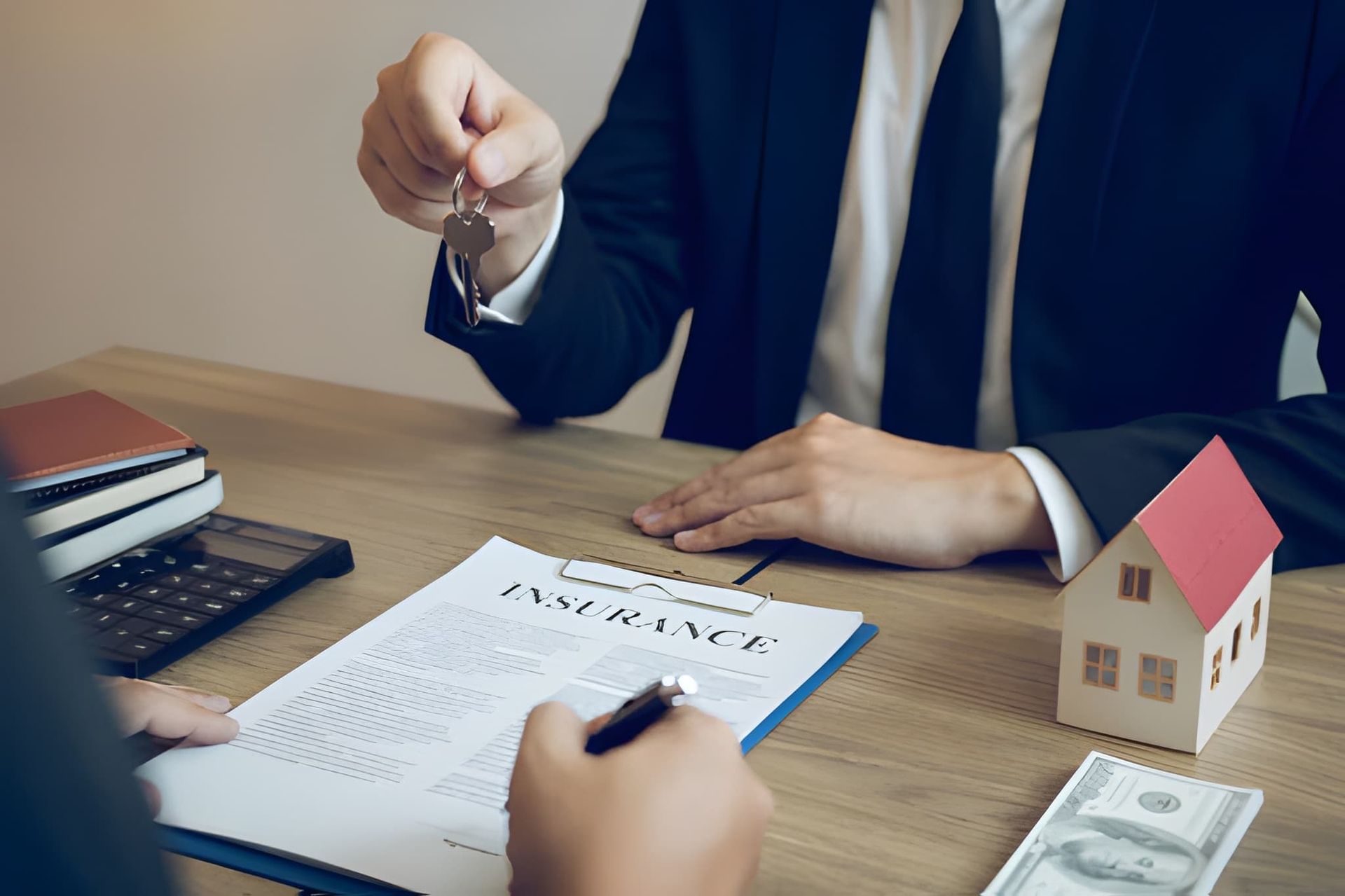
The decision fatigue you're feeling is real and completely overwhelming. I remember sitting in a hotel room, staring at a pile of business cards from people all claiming they could help, wondering how to make one more choice.
Choosing the person who will fight for your financial recovery is one of the most critical decisions you'll make in the next 12 months. This is your guide to finding a true
fire recovery expert who can help you through this crisis.
Fire Damage Specialization And Technical Knowledge Requirements
A public adjuster who mainly handles hail or minor water leaks is not equipped for the unique devastation of a fire. You need a specialist who understands the science of fire, smoke, and soot.
A true fire expert knows how smoke particles penetrate drywall, how intense heat compromises a home's structure, and how corrosive ash can be. They understand your claim isn't just about what burned; it's about making your home safe and livable again.
This expertise is essential for your "Additional Living Expenses" (ALE) coverage. An experienced fire adjuster thoroughly documents the true cost of temporary housing, meals, and other essentials, ensuring your family is cared for during the long months you may be displaced.
They also know local building codes inside and out, fighting for a settlement that covers a full, compliant rebuild—not just a cheap repair.
Licensing, Bonding, And Professional Certifications That Matter
In the chaos after a fire, you must protect yourself from incompetence or outright fraud. Vetting an adjuster's credentials is your non-negotiable first line of defense. Before you sign anything, confirm these baseline qualifications:
- A Valid State License: Your advocate must hold a current license from your state's department of insurance. You can and should verify their license number on your state’s official website.
- Professional Memberships: Look for membership in the
National Association of Public Insurance Adjusters (NAPIA). This signals a commitment to a strict code of ethics and continuous education, separating dedicated professionals from those who just passed a test.
Track Record And Success Rate With Fire Insurance Claims
Once you've verified their credentials, it's time to examine their results with claims like yours. A reputable adjuster will be transparent about their experience and should insist you speak with past clients who also lost their homes to fire.
Don't settle for general testimonials. Ask to speak with a family who, like you, stood on the curb and watched their life go up in smoke.
A top-tier fire adjuster brings a team of independent experts to the table—structural engineers, industrial hygienists for smoke testing, and contents inventory specialists.
Their success is built on their ability to interpret your policy's complex language, fighting for
full replacement cost instead of a depreciated cash value, and challenging every unfair exclusion from the insurance company.
Communication Style And Availability During Crisis Situations
The fire claim process is a marathon, not a sprint, often taking many months to a year or more. You are choosing a long-term partner for one of the most stressful periods of your life.
You need a calm, clear communicator who is available to answer your panicked 10 PM questions and provide steady updates. During your initial consultation, pay close attention. Do they listen more than they talk? Do they explain insurance jargon in a way you can understand?
Be wary of anyone using high-pressure sales tactics or making grand promises about a guaranteed settlement.
- A true professional sets realistic expectations and operates on a
contingency fee, as regulated by state law. They should never ask for money up front—their success is tied directly to yours, and their communication should reflect that partnership from day one.
How Top Fire Damage Public Adjusters Maximize Your Settlement
Once the shock of the fire begins to fade, a new reality sets in: the fight for a fair insurance settlement. This is the moment where the difference between a standard payout and the funds you truly need to rebuild your life is decided.
A top-tier public adjuster doesn't just file paperwork; they become your champion, deploying a strategic approach to counter the insurance company's tactics. They transform the process from you against a giant corporation to an expert-versus-expert negotiation where you ultimately have someone championing your interests.
Comprehensive Fire Damage Assessment Techniques
The insurance company's adjuster often performs a quick inspection focused only on what's visibly burned. A public adjuster’s assessment is a forensic investigation because they know the most expensive damage is often hidden from view. They conduct an independent, exhaustive on-site inspection to uncover the full extent of your loss.
- Detecting Hidden Damage: Using tools like thermal imaging cameras and moisture meters, they find water from firefighting efforts trapped behind walls and under floors, preventing the toxic mold that can appear months later.
- Assessing Structural Integrity: They evaluate how extreme heat may have compromised your home's foundation and frame, even in areas the fire never touched, ensuring your home is safe to rebuild.
This precise approach creates a complete scope of work from day one, preventing costly "surprises" that your insurer might later refuse to cover.
Advanced Documentation Methods For Smoke And Heat Damage
One of the most heart-wrenching tasks after a fire is trying to create a list of every single item you've lost. A public adjuster and their team take this monumental burden off your shoulders, and more importantly, they document it to maximize your claim.
They thoroughly list and value your personal property, ensuring items are claimed at their Replacement Cost Value (RCV) whenever your policy allows. This is the critical difference between getting funds for a new sofa versus the garage sale price of your old one. For the structure itself, they build their own case instead of just accepting the insurer's numbers.
- Precise, Line-Item Estimates: Professionals use industry-standard software like Xactimate to generate their own detailed repair estimates.
- Current, Local Costs: This allows them to argue costs based on today's local prices for labor and materials, ensuring your settlement reflects real-world rebuilding costs
Negotiation Strategies Specific To Fire Insurance Claims
Having an advocate to manage all communication with your insurance carrier is a game-changer for preventing disputes with insurance adjusters. It protects you from the exhaustion of constant phone calls and from accidentally saying something that could be used to devalue your claim.
A skilled public adjuster knows your policy inside and out, allowing them to identify and trigger additional coverages you likely don't even know you have.
- "Law and Ordinance" Coverage: They will find and activate this clause, which covers the significant extra costs required to bring your home up to current building codes during reconstruction.
- Substantiated Evidence: They challenge low-ball estimates by presenting their own detailed documentation, contractor bids, and engineering reports.
• Additional Living Expenses (ALE): They precisely calculate and fight for the maximum reimbursement for
your ALE, ensuring your family is properly cared for while you're displaced.
Timeline Management To Prevent Claim Delays And Denials
The insurance process is riddled with common challenges in fire claims such as intricate deadlines that are easy for a grieving family to miss, and these delays almost always benefit the insurance company. A public adjuster acts as the quarterback for your claim, ensuring every document is filed correctly and on time.
They proactively follow up with the insurance company, preventing your file from being put on the back burner.
By managing the timeline and holding the carrier accountable to state laws, they stop delays that stall recovery or compel a homeowner to
appeal a denied fire insurance claim. This constant, professional pressure keeps the process moving, ultimately getting the settlement funds into your hands faster so you can promptly begin to rebuild your life.
Don’t Miss These Critical Steps After a House Fire
Get Your
FREE Personalized Recovery Plan Today
In Content Form
We will get back to you as soon as possible.
Please try again later.
Red Flags To Avoid When Choosing A Fire Damage Public Adjuster
In the hours after a fire, your world is a blur of smoke, shock, and impossible questions. You are emotionally exhausted and displaced, facing a future that feels completely uncertain. This profound state of vulnerability is precisely what predatory individuals look for.
While most
public adjusters are ethical professionals, a few bad actors can cause irreparable harm to your financial and emotional recovery. Knowing these warning signs isn't just good advice; it's a critical defense for your family's future.
Warning Signs Of Inexperienced Or Unqualified Adjusters
Be cautious of anyone who shows up uninvited while the fire department is still on the scene or in the immediate aftermath. These "disaster chasers" use aggressive tactics, which is a major red flag. In fact, many states have a mandatory "cooling-off period" of 24 to 48 hours, legally prohibiting this kind of solicitation to give you time to breathe.
A legitimate professional will never pressure you and will operate with full transparency. Here’s what to demand:
- A Valid State License: Ask to see their valid, state-issued public adjuster license immediately. If they hesitate or can't produce it, the conversation is over.
- A Permanent Business Address: A real professional has an established office, not just a cell phone and a P.O. box.
- Independence from Contractors: Be wary if the adjuster also owns or pushes you toward one specific restoration company. This is an illegal conflict of interest in many states, as it removes the checks and balances needed for fair pricing.
Fee Structures That Could Cost You More Than You Save
The financial agreement with your public adjuster should be simple and transparent. Reputable professionals work on a contingency fee basis, meaning they are paid a percentage of the settlement they secure for you.
If they don't increase your settlement, you shouldn't owe them anything. Watch out for these financial red flags:
- Upfront Fees: A demand for a large deposit before any work is done is a significant warning sign.
- Vague Contracts: The contract must clearly state the fee as a percentage, which is often capped by state law. If it's confusing, do not sign it.
- Control of Funds: Never sign an agreement where the insurance check is made payable solely to the public adjuster. Checks should be issued to you, or jointly to you and the adjuster, so you maintain control.
Unrealistic Promises And Guarantee Claims To Question
When you're feeling desperate for good news, a confident guarantee can sound like a lifeline. In the domain of insurance claims, however, it's a blaring alarm.
It is impossible and unethical for any adjuster to guarantee a specific settlement amount before thoroughly reviewing your policy and the full extent of the damage.
A true professional promises to fight for you, but they will never promise a specific outcome. High-pressure sales tactics are another hallmark of a predatory operator. If someone pressures you to sign on the spot, you have every right to walk away.
Poor Communication Patterns That Signal Future Problems
The fire claim process is a marathon, not a sprint, often lasting for many months. Since you are hiring a professional fire adjuster to act as your primary advocate for this entire journey, their communication style is crucial.
If an adjuster is difficult to reach or gives vague answers before you've hired them, this behavior will only worsen once a contract is signed. The most egregious red flag of all is any hint of dishonesty. If an adjuster advises you to lie, exaggerate your losses, or hide information from your insurance company, you must end the conversation immediately.
This is
insurance fraud, which could lead to your entire claim being denied and severe legal consequences for you. A professional advocate fights for the truth of your loss; they never ask you to invent it.
The Complete Process Of Working With A
Fire Damage Public Adjuster
Hiring a public adjuster can feel like handing over the keys to your financial future at a time when you're most vulnerable. We understand that trust is everything right now.
This process is designed to lift the immense burden of the
insurance claim from your shoulders, letting you focus on your family. Your public adjuster becomes your advocate and your voice, bringing order and expertise to the chaos.
Initial Consultation And Property Assessment Phase
Your path to recovery begins with a free initial consultation. This is more than a business meeting; it's a chance for us to hear your story, review your insurance policy, and offer immediate guidance.
If you decide to move forward, we get to work instantly. Our first actions provide immediate relief and build the foundation for your claim:
- Letter of Representation: We send this formal notice to your insurance carrier, instructing them to direct all communication through our office. The stressful, constant calls from the insurance company stop.
- Thorough Policy Examination: We conduct a meticulous review of your policy to identify every source of coverage. This includes your dwelling, personal property, and the crucial Additional Living Expenses (ALE) that pay for your hotel or temporary rental.
- Careful On-Site Inspection: We walk the property to document the full scope of the loss. We see what you see—not just the charred structure, but the extensive smoke, soot, and water damage that insurance company adjusters often minimize.
Claim Preparation And Documentation Submission
I remember the agony of trying to create a list of everything we lost—recounting memories attached to belongings now turned to ash. Your public adjuster shields you from re-living this trauma by taking on the painstaking task of creating a detailed inventory.
They document the age, condition, and replacement cost for every single item, from furniture and electronics to the contents of your kitchen drawers.
At the same time, they use specialized software like
Xactimate to generate a highly detailed, line-item estimate for rebuilding your home. This thorough claim package, including the structural estimate, personal property inventory, and formal
Proof of Loss statement, is then submitted to your carrier.
Insurance Company Negotiations And Settlement Discussions
You will not have to walk through your burned-out home with the carrier’s representatives again, trying to apply general tips for claiming insurance after a house fire to justify your loss. After the claim is submitted, your public adjuster handles all meetings and inspections, armed with irrefutable evidence.
It’s common for the insurance company's initial offer to be significantly lower than your documented claim; this is a normal part of the process.
Your adjuster manages all the back-and-forth communication, specializing in dealing with underpaid fire insurance claims by presenting counter-arguments to close the gap between their offer and what you are truly owed. If disputes arise, your adjuster may bring in independent specialists to provide expert data, such as:
- Structural engineers to assess foundation integrity after intense heat.
- Industrial hygienists to test for toxic smoke and soot residue in areas that appear undamaged.
Final Settlement Review And Claim Closure Procedures
When the insurance company presents a final settlement offer, your adjuster will sit down with you to review every figure in detail. They will explain what each line item covers, ensuring it aligns with the true cost of your recovery.
You have the final say. Your adjuster will continue to negotiate until you are satisfied that the offer is fair and complete.
Once you approve the settlement, the insurance company issues your house fire insurance payout. The check is often payable to you, and your mortgage lender, and your adjuster will help you handle that endorsement process.
From this final amount, their pre-agreed contingency fee is deducted, ensuring their goal is always aligned with yours: to maximize your recovery so you have the resources to rebuild.
Cost Considerations And Return On Investment For Fire Damage Claims
When you’re standing in the smoky doorway of your home, trying to remember what you even owned, the thought of spending money can feel impossible. I remember that exact moment—the financial panic setting in right after the shock.
You’re already facing the monumental cost of rebuilding your life, and every dollar counts. But hiring a public adjuster isn’t an expense; it’s a critical investment in your financial recovery. Understanding how they’re paid and the incredible return they can generate is crucial for making a clear-headed decision.
How Public Adjuster Fees Work For Fire Damage Cases
The most important thing to know is that reputable public adjusters work on a contingency fee basis. This model was designed for people in your exact situation, who need expert help without any upfront financial burden.
This means they only get paid if and when you do. There are no upfront charges, no hourly rates, and no retainers to worry about. Their fee is a pre-agreed-upon percentage of the final settlement they secure for you from the insurance company.
This model aligns their interests directly with yours; their success is tied to your success. If they fail to recover any money for you, you owe them absolutely nothing.
Standard contingency fees typically range from
5% to 20% of the total claim amount. This percentage is often negotiable, and many states have laws that cap these fees to protect homeowners, especially during a declared state of emergency. The fee is stated clearly in the contract and deducted from the settlement checks before the final funds are released to you.
Average Settlement Increases Versus Adjuster Costs
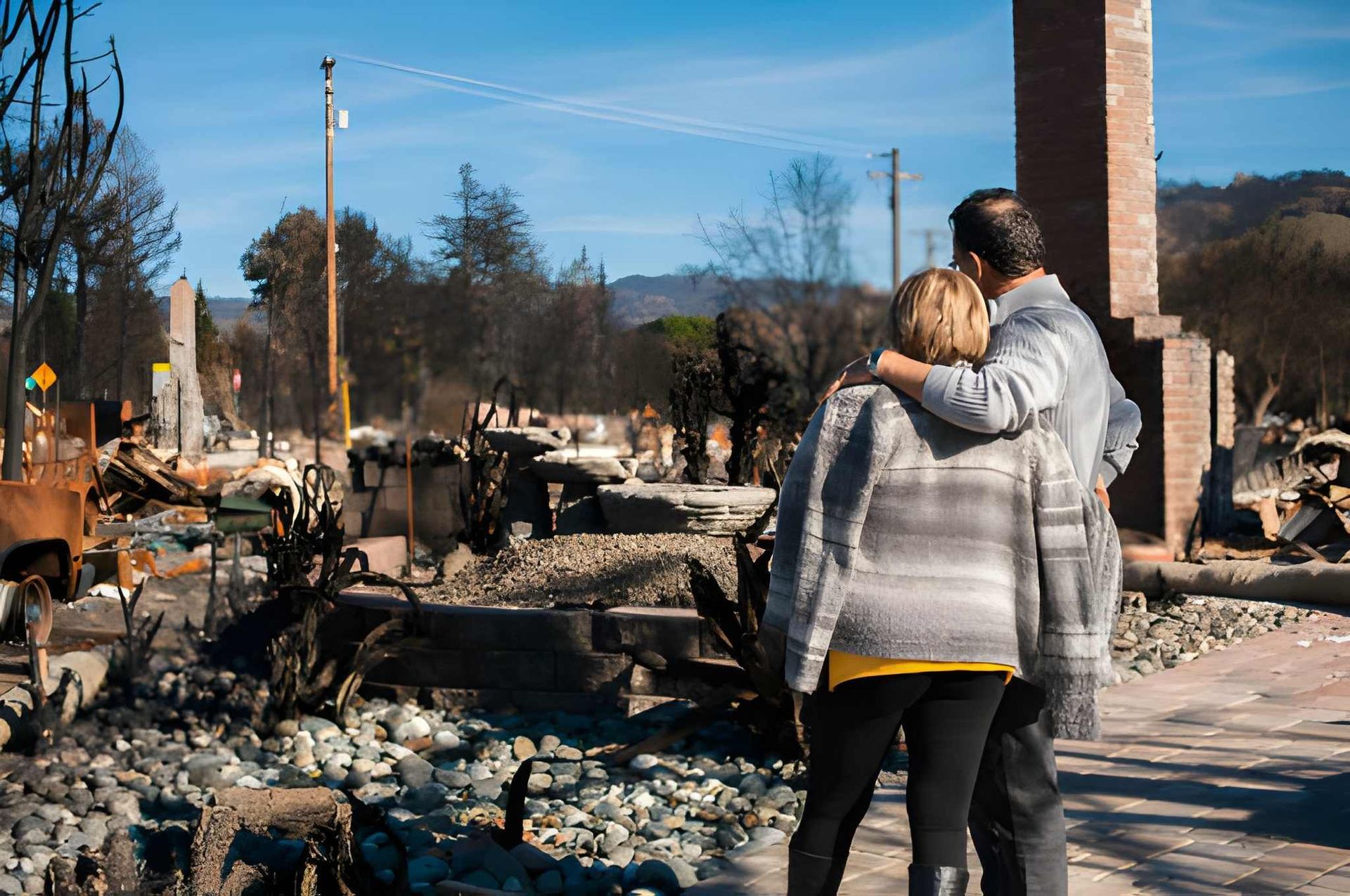
The key question is whether the adjuster’s fee is worth it. The data is overwhelmingly clear: yes. A landmark study by Florida's OPPAGA found that policyholders who hired public adjusters received settlements that were, on average, 747% higher than those who handled claims on their own.
Think about what that means for your recovery. Even after deducting a 10% or 15% fee, the net amount you receive is substantially greater.
The return on investment is powerfully positive because these experts find and document damages you and the insurance company’s adjuster would have missed. They transform your claim from what the insurer
wants to pay into what they are
obligated to pay under your policy.
When The Investment In A Public Adjuster Pays Off Most
While a public adjuster is valuable in most situations, the investment provides the greatest return in complex cases like house fires. A fire claim is never just about what burned. The true cost lies in the details that require an expert eye:
- Hidden Damages: Public adjusters are trained to identify the full scope of loss. This includes widespread smoke and soot contamination in your HVAC system, structural weakening from intense heat, and extensive water damage from firefighting efforts that can result in potential mold growth.
- Complex Claims: When you have a total loss, a high-value home, or a claim involving a business, the financial stakes are enormous. An adjuster ensures your settlement is sufficient to truly rebuild, not just patch things up.
- Initial Lowball Offers or Denials: If your insurance company has already made an offer that feels insultingly low, or has denied your claim, a public adjuster is your best chance at turning the situation around. They reopen negotiations armed with a mountain of evidence.
In these scenarios, the additional settlement money they secure almost always far exceeds the cost of their fee, providing you with the funds necessary for a complete recovery.
Alternative Options If You Cannot Afford A Public Adjuster
The contingency fee model is designed to be accessible to everyone, regardless of their immediate financial situation. Since there are no upfront costs, "affordability" is less about having cash on hand and more about being willing to share a portion of the settlement.
However, if your fire damage is truly minor—like a small, contained kitchen fire with no smoke spread—you might consider handling it yourself. For guidance, you can contact your state’s Department of Insurance, which often provides consumer resources, or explore options for assistance after without insurance.
But for any significant fire, where the integrity of your home and financial future is at stake, the risk of going it alone is immense. The expertise, advocacy, and peace of mind a public adjuster provides are an invaluable part of taking that overwhelming burden off your shoulders.
Frequently Asked Questions
How quickly should I contact a public adjuster after fire damage occurs?
Once the fire trucks leave and you've confirmed everyone is safe, the "what now?" feeling is overwhelming. The clock on your insurance claim starts ticking immediately.
Bringing in a public adjuster on day one is critical. They can guide you on immediate steps to prevent more damage from water or exposure, and they'll manage all initial talks with your insurance company.
This prevents you from making accidental misstatements under stress that could harm your claim. They take that dreaded "Proof of Loss" document off your shoulders from the very beginning.
Can I switch public adjusters if I'm unhappy with my current one?
Yes, you can usually make a change if you feel your adjuster isn't the right fit for the long haul. However, you must review the contract you signed in those first chaotic days.
Most states have a "cooling-off period" of 3 to 5 business days to cancel without penalty. If you switch after that, the original adjuster may be entitled to payment for their work, often by placing a lien on your final settlement. Before making a move, read the
termination clause in your contract to understand any financial obligations.
What happens if my insurance company has already made an offer before I hire a public adjuster?
Did you receive an initial settlement offer that made your stomach drop? It is absolutely not too late to get help.
If an offer seems too low, a public adjuster can be hired to reopen the claim and negotiate for a supplemental payment.
Many reputable adjusters will only charge their fee on the "new money"—the amount they secure for you
above the
insurance company's first offer. They will conduct their own deep-dive investigation to find the undervalued items, missed smoke damages, and required code upgrades that the initial offer overlooked.
Do I need a public adjuster if my fire damage seems minor or limited?
Perhaps it was a small kitchen fire that was contained quickly, and you're tempted to handle the claim yourself. Be very careful, because fire is deceptive.
What looks like a minor issue can hide serious problems. Smoke and soot are invasive, creeping into your HVAC system, insulation, and behind walls, leading to long-term odor and structural issues.
While a tiny claim might not justify the cost, a consultation with a
public adjuster is typically free. It's a no-risk way to understand the true potential scope of your loss.
How do I verify a public adjuster's credentials and reputation before hiring them?
In the aftermath of a fire, you are vulnerable, and it's essential to ensure your advocate is legitimate and trustworthy. Before you sign anything, take these critical steps:
- Confirm Their License: Check that their license is active and in good standing on your state's Department of Insurance website.
- Check Professional Memberships: Look for membership in organizations like the National Association of Public Insurance Adjusters (NAPIA), which requires a strict code of ethics.
- Review Their Reputation: Look up their rating and any complaint history with the Better Business Bureau (BBB).
- Demand Fire-Specific References: Ask for and call past clients who had fire damage claims, not just water leaks. Ask how the adjuster handled the complex contents inventory process.
Verify Their Insurance: Confirm they carry
Errors and Omissions (E&O) insurance. This is non-negotiable, as it protects you if they make a mistake.
Conclusion
Standing in the smoky doorway of your damaged house, wondering what comes next, is a moment of profound overwhelm. The journey back to a place that feels like home is paved with critical decisions, and none is more important than choosing who will fight for your financial recovery.
A fire-specialized public adjuster is a licensed professional who works exclusively for you, not the insurance company. This expert becomes your advocate, carefully examining the intricate details of fire, smoke, and water damage to negotiate the significantly higher settlement you need to truly rebuild.
Their expertise frees you from the crushing burden of the claims process, which can feel like a full-time job you never asked for. This gives you the space to focus on what truly matters: your family's well-being and emotional healing.
While the pressure from the insurance company to sign off quickly is real, you are now armed with the knowledge to make an informed choice. Before engaging legal representation, pause thoughtfully and confirm these key details:
- State License & Credentials: Verify they are a licensed public adjuster in your state and check their professional background.
- Contingency Fee Structure: Understand exactly how they are paid—typically a percentage of the settlement—and ensure there are no upfront costs.
- Fire Claim Experience: Confirm they have a proven track record of successfully handling residential fire claims, not just general property damage.
Choosing your advocate confidently is the first solid step toward rebuilding not just your property, but your peace of mind.