
Difference Between a Fire Adjuster and a Fire Investigator Explained
FOR HOMEOWNERS
Free Recovery Support
WHO IT'S FOR
Want to understand the process before talking to adjusters or contractors
Just had a fire and don't know where to start
Have a question and want an honest answer
or a second opinion before signing anything
WHAT YOU GET
A Free Call With a Real Person
Location-Based House Fire Recovery Guide & Checklist
The Right Questions to Ask Adjusters & Contractors
Rebuild, Restore, or Sell — Your Options Explained
3,500+ fires navigated · BBB Accredited · Featured in Forbes & Realtor.com
No pressure. No cost. Just a clear next step.

Written By: Louis Swan
Updated: Jan 30, 2026

Edited By: Erik Russo
Updated: Jan 30, 2026
One figures out what started the fire — the other figures out what it will cost to fix. Here’s the simple difference between a fire investigator and a fire adjuster, and when you might need each.
Quick Takeaways:
- A fire investigator determines the cause and origin of the fire.
- A fire adjuster evaluates damage and calculates claim compensation under the policy.
- Their reports serve different purposes: investigation for “what happened,” adjusting for “what it costs.”
- Homeowners may interact with both—especially on large losses, suspicious causes, or disputed claims.
Had a House Fire? Get a Clear Path Forward
We've Helped 3,500+ Owners Like You
Had a House Fire?
We will get back to you as soon as possible.
Please try again later.
Disclaimer: Any estimates, tools, calculators, quizzes, guides, or educational content provided by House Fire Solutions are for informational purposes only. Results are not guarantees, offers, or professional opinions. Actual insurance payouts, restoration costs, timelines, and outcomes vary based on policy language, coverage limits, property conditions, local regulations, contractors, and insurer practices. Homeowners are solely responsible for verifying all information and making their own decisions. House Fire Solutions does not provide legal advice, insurance advice, or claims representation. Homeowners should independently verify information and consult qualified professionals before taking action.
Standing in the aftermath, the smell of smoke clinging to everything, your life is suddenly full of strangers telling you what comes next. In the disorienting haze of processing your loss, it’s easy to feel overwhelmed by unfamiliar faces and industry jargon.
Soon, two professionals will become central to your recovery: the fire adjuster and the fire investigator. While their titles sound similar, one is there to calculate the financial cost of your loss, and the other is there to uncover how it all began.
Understanding their separate missions is your first step toward regaining control in a situation that feels anything but controllable. The fire investigator’s scientific analysis of the fire's origin—whether accidental or intentional—often happens before an adjuster can finalize your claim.
The fire adjuster then steps in to assess the financial scope of the damage, from the structure itself to the smoke-damaged contents inside. Their calculations determine what your insurance policy will cover for repairs, replacement, and even temporary housing.
Knowing what to expect from their documentation process, how their distinct training shapes their approach, and how their findings connect will help you comprehend the complex road ahead. This clarity empowers you to advocate for yourself on the path to rebuilding.
What Is A Fire Adjuster And What Do They Do For You
After you’ve made that first, numb call to your insurance company, the next person you’ll hear from is a fire adjuster. This individual becomes a central figure in your recovery, but their role can feel confusing when you’re already standing in the wreckage of your life.
Simply put, a fire adjuster is a licensed professional whose job is to put a price tag on your loss. They are the ones who translate the charred wood, smoke-stained walls, and water-soaked floors into the
financial figure that becomes your
insurance settlement.
Primary Role In Assessing Your Fire Damage
The fire adjuster’s mission is to investigate the damage and determine your insurance company's financial liability. When they visit your home—often within a critical 48-hour window—they see beyond the areas the flames visibly touched.
A skilled adjuster knows the most extensive damage is often hidden, from structural weaknesses to the deeply penetrating smoke that seeps into every corner. They also assess the immense water damage from firefighting, which can quickly lead to secondary issues like mold.
It's essential to know who the adjuster works for, as it directly impacts your claim. You will likely encounter one of two types who represent the insurance company:
- Staff Adjuster: An employee of your insurance company.
- Independent Adjuster: A contractor hired by your insurer, often when their own staff is overloaded.
However, you also have the right to hire a Public Adjuster. A public adjuster works directly for you, the policyholder, acting as your dedicated advocate to manage the entire claim and fight for the fairest possible settlement on your behalf.
How They Calculate Your Insurance Settlement
Once the adjuster assesses the damage, they begin the detailed calculation to figure out how much it will take to make you whole again. This isn't a guess; it's a detailed calculation based on the fine print of your policy.
The adjuster will create a line-by-line estimate for repairs using specialized software with current local pricing for labor and materials. This process involves several key steps:
- Policy Review: They will carefully analyze your specific insurance policy to understand your coverage limits, deductibles, and any exclusions.
- Structural Estimate: They create a detailed scope of work for rebuilding the structure of your home.
- Contents Evaluation: They work with you to determine if personal belongings can be cleaned and restored or must be replaced. This is based on whether your policy has "Replacement Cost Value" (RCV) to buy new items or "Actual Cash Value" (ACV), which pays you the depreciated value of your lost items.
- Expert Consultation: They often coordinate with structural engineers, contractors, and contents specialists to validate the scope and cost of the work.
Documentation And Inventory Process They Follow
The documentation phase, specifically sorting through items that are beyond repair due to smoke, fire, water, or other damage, is one of the most emotionally draining parts of a fire claim. I remember sitting with a blank legal pad, trying to list every book on my shelf and every utensil in my kitchen; it felt impossible.
The adjuster is responsible for creating this complete record of your losses, which involves taking hundreds of photos and detailed measurements.
They will guide you through the heartbreaking task of creating an inventory, identifying
items that can still be saved after a house fire versus those that were destroyed. This detailed inventory becomes part of your "Proof of Loss," the formal document you must submit to support your claim. Accuracy and thoroughness here are the foundation of your final settlement.
Timeline For Fire Adjuster Involvement In Your Claim
Traversing the insurance claim timeline requires a marathoner's patience. You should expect the adjuster to make initial contact within 24-48 hours of reporting the fire, but their full involvement will stretch over weeks and often months.
In the first week, the focus is on securing the property and arranging for immediate needs. This includes getting you access to your policy's "Additional Living Expenses" (ALE) coverage, which is your lifeline for temporary housing and daily essentials.
The thorough review of structural estimates and your personal property inventory happens over the next several weeks. It can be frustrating to wait, but rushing the adjuster can lead to overlooked damage and a lower settlement you may regret later.
What Is A Fire Investigator And How They Help Determine What Happened
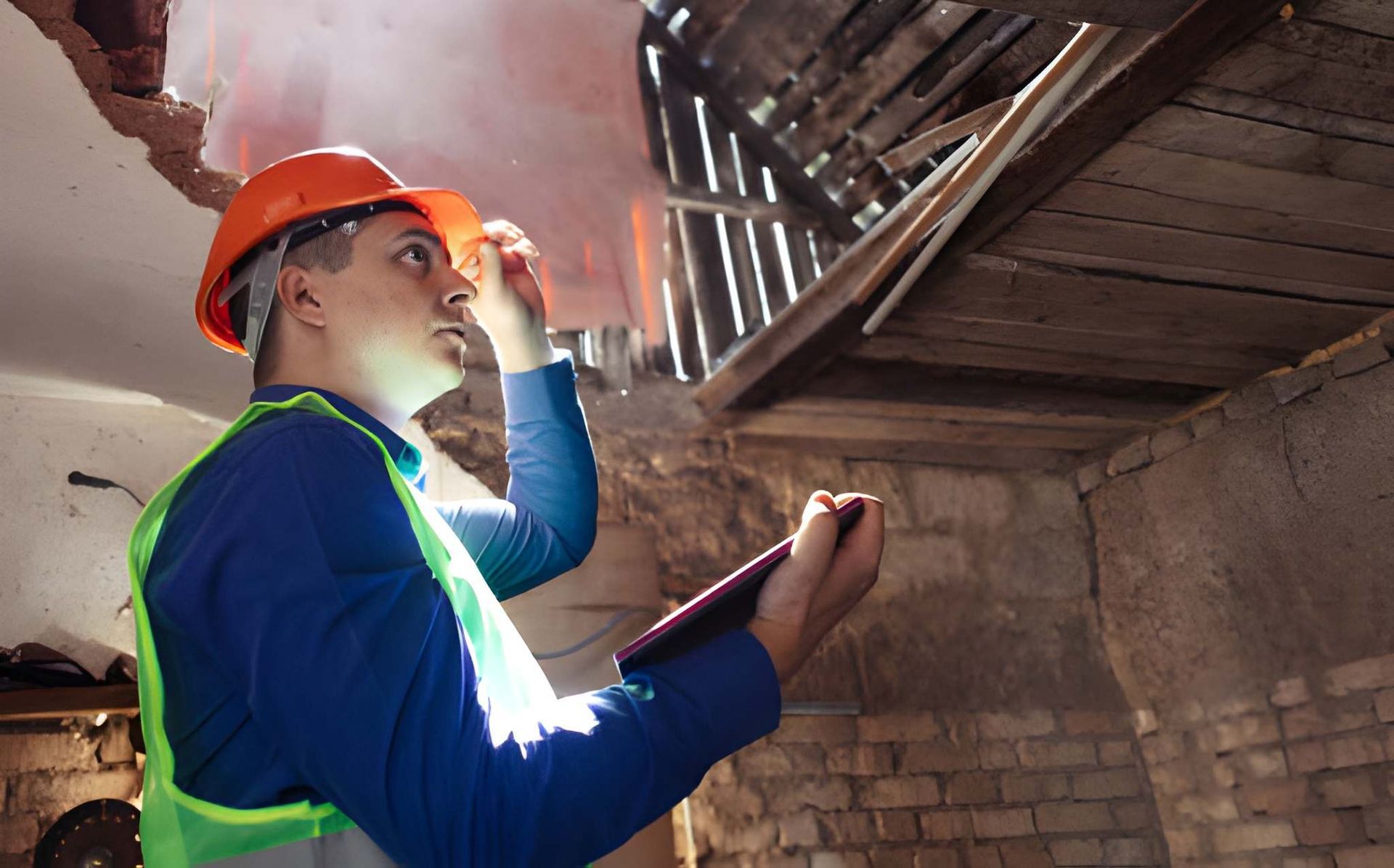
While the insurance adjuster handles the numbers, a fire investigator arrives to answer the question echoing in your mind: how did this happen? It's unnerving to watch a stranger in official gear sift through the most painful remnants of your life, but their work is crucial.
Think of them as a detective for your home’s story. They are highly specialized professionals who read the clues left in smoke and char to scientifically uncover the
fire's origin, a truth that is critical for your
insurance claim and your own peace of mind.
Scientific Analysis Of Fire Origin And Cause
A fire investigator’s work to identify the cause of a house fire is a methodical science, not a random search. They follow a strict guide known as NFPA 921, the gold standard for fire investigations, to ensure every finding is substantiated by solid evidence.
Their process often begins by working backward, moving from areas with the least damage toward the most heavily burned parts of your home. They analyze burn patterns on walls, which act like a roadmap, and examine char depth on wood to reconstruct the event, moment by moment, until they find the single point where it all began.
Evidence Collection And Preservation Methods
I know the urge to rush inside and see what's left is overwhelming, but it is absolutely vital to wait. Until the cause is determined, your home is an investigation site, and preserving the evidence is essential for the accuracy of your claim.
The investigator will follow detailed
fire investigation procedures to thoroughly photograph the scene before collecting physical items for lab analysis. That piece of a melted appliance or a section of electrical cord could hold the key, and it will be carefully bagged and tested to confirm or rule out a specific cause.
Distinguishing Between Accidental And Intentional Fires
A primary objective for the investigator is to classify the fire's cause. Their findings will place the incident into one of four distinct categories:
- Accidental: This is the most common cause, covering everything from cooking mishaps and electrical malfunctions to unattended candles.
- Natural: These are fires caused by acts of nature, with lightning strikes being the most frequent example.
- Incendiary (Arson): This classification means the fire was deliberately set. Investigators are trained to spot tell-tale signs like multiple origin points or the chemical traces of accelerants.
- Undetermined: This label is used when the damage is so extreme that a definitive cause cannot be proven with scientific certainty. It simply means the evidence was too compromised to draw a final assessment.
The thought of an arson investigation is deeply stressful, and it's a fear many survivors face. Remember, an investigator's job is to be objective and follow the facts wherever they lead, ruling out causes just as often as confirming them.
When Fire Investigators Get Called To Your Scene
While public investigators from the fire department are typically dispatched only for large-scale fires or those involving injury, you can almost guarantee your insurance company will hire its own private fire investigator. Take a long breath—this is standard procedure and does not mean they suspect you of serious wrongdoing.
Your insurance provider has a duty to determine the
cause of loss to ensure the claim is covered by your policy. These private investigators, often certified by organizations like the
IAAI or
NAFI, conduct an independent analysis. Their thorough report is the key document your insurance adjuster will use to make final decisions about your claim.
Key Differences In Their Training And Professional Background
In the blur of the first few days, two key figures will likely walk through the wreckage of your home: the fire adjuster and the fire investigator. It’s easy to see them both as just "people from the insurance company," but knowing who does what is critical.
Understanding their roles saves you precious energy and reduces confusion during this overwhelming time. One is there to calculate the
financial cost of your loss; the other is there to uncover the
scientific story of the fire.
Educational Requirements For Fire Adjusters
The fire adjuster is the person who translates the heartbreaking damage into dollars and cents. Their expertise is rooted in finance, law, and construction, all centered on your insurance policy—a complex legal contract.
Many adjusters have backgrounds in business or construction management. Their training focuses on turning your loss into a financial settlement.
- Insurance Policy Interpretation: Their job is to master the fine print of your policy. They determine how your specific coverage limits, deductibles, and exclusions apply to the damage.
- Cost Estimation: They are trained to use sophisticated software like Xactimate. This is how they turn a charred kitchen into a detailed, line-item estimate for repairing your home and replacing your belongings.
- Contract Law: They must understand the legal obligations of both the insurance company and you, the policyholder, throughout the long claims process.
Their entire focus is on quantifying your loss and managing the
financial resolution of your claim according to your contract.
Specialized Training For Fire Investigators
While the adjuster focuses on your policy, the fire investigator focuses on the fire itself. They are often former firefighters or law enforcement officers who have undergone extensive education in fire science.
Their work is governed by rigorous national standards, like NFPA 921 (Guide for Fire and Explosion Investigations). This ensures a reliable, evidence-based process.
- Fire Behavior: They understand how fires start, grow, and spread through a structure, reading the burn patterns on the walls like a map.
- Thermodynamics and Chemistry: They are trained to know how different materials react to intense heat and what chemical traces are left behind.
- The Scientific Method: They apply a strict process to form and test hypotheses about the fire's origin and cause, ruling out possibilities until only the facts remain.
Their background equips them to read the physical evidence left by the flames, not the fine print of an insurance policy.
Certification And Licensing Differences
Confirming that you are working with qualified professionals is one less thing to worry about. Both roles require official credentials, but they are not the same. An insurance adjuster must hold a state-issued adjuster license. This requires passing an exam on insurance law, ethics, and consumer protection.
A
fire investigator's credentials are very different. Investigators working for insurance companies often need a
Private Investigator (PI) license. More importantly, they pursue highly specialized certifications like the
Certified Fire Investigator (CFI) or
Certified Fire and Explosion Investigator (CFEI), which are the gold standard in their field.
Ongoing Professional Development For Both Roles
Your recovery journey can take months or even years, and the worlds of construction and fire science are always changing. Both professionals must engage in continuous learning to remain effective.
Adjusters stay current on new
building materials, fluctuating
labor costs, and evolving
insurance laws. Investigators keep up with advancements in
forensic technology and emerging research in
fire investigation. This commitment ensures the people handling your case have the most current knowledge, providing a foundation of expertise you can rely on.
How Fire Adjusters And Fire Investigators Work Together On Your Case
After a fire, it can feel like your life is suddenly under a microscope, with different professionals asking for what seems like the same information. You're caught between the fire adjuster and the fire investigator, but they don't work in isolation.
Their collaboration is a critical process that directly shapes the outcome of your
insurance claim. In fact, it's often your adjuster who retains a fire investigator, bringing them in as a technical consultant when the fire's cause is unclear. Understanding how they partner will help you explore the timeline and feel more oriented..
Information Sharing Between Both Professionals
That first settlement offer can feel like a punch to the gut after everything you've already been through. Remember, the adjuster's estimate is their opening bid, not the final word. The single most effective way to counter a lowball offer is with your own detailed estimates from independent, licensed contractors and fire restoration specialists.
These quotes must be highly detailed, breaking down the costs of labor, materials, and permits. This allows you to make a direct, apples-to-apples comparison to the insurer's estimate and pinpoint exactly where their valuation falls short.
Using reputable local professionals who understand regional building codes and costs adds significant credibility to your numbers.
Leveraging Fire Department Reports And Official Investigations
The fire investigator’s final report is one of the most important documents in the early weeks of your claim. They do not determine the value of your loss or make decisions about your house fire's insurance payout. They simply deliver their expert conclusions on the fire's origin and cause.
Your adjuster then uses that report to interpret your insurance policy. This typically leads to one of two outcomes:
- If the fire is ruled accidental: This is the green light your adjuster needs to confirm coverage. They can then move forward with assessing the damage and calculating your settlement. The report might also identify a subrogation opportunity—for example, if a defective product caused the fire. Your insurance company may then seek reimbursement from the responsible party, a process that usually happens behind the scenes and doesn't delay your claim.
- If the fire is ruled intentional (arson): This is the most difficult outcome. If the investigator finds conclusive evidence that the fire was intentionally set by the policyholder, the adjuster will use this finding to deny the claim. This is based on standard policy exclusions for intentional acts.
Coordination During Complex Fire Claims
In the first days and weeks, it's agonizing to be told you can't touch anything in your own home. Your house is a critical investigation scene, and its integrity must be protected.
The adjuster and investigator coordinate their work carefully, often scheduling joint site inspections. This ensures the investigator can complete their analysis before any cleanup, pack-out, or demolition begins. Their coordinated effort allows for a thorough and accurate determination of cause before the financial assessment of the damage gets underway.
Resolving Conflicts Between Damage Assessment And Cause Determination
Because their roles are so clearly defined, direct conflicts between the two professionals are rare. The system is designed to keep their duties separate.
The fire investigator’s job ends once they have submitted their objective, fact-based report on the fire's origin and cause. They do not comment on the cost of repairs or the value of your lost belongings.
The adjuster’s job is to take those facts and apply them to the insurance policy, focusing entirely on damage assessment and financial settlement. This clear division of labor—one focused on science, the other on finance—helps ensure a logical and fair resolution for your claim.
When You Might Need Each Professional After A Fire
n the blur of the first few days, it’s hard to know who will be showing up at your home. Will it be surrounded by investigators, or will you just be dealing with an adjuster on the phone? The answer depends on the specifics of your fire. Understanding which situations call for each professional helps you anticipate the next steps and make sense of the activity on your property.
Situations Requiring A Fire Adjuster Only
For many smaller, contained fires, you may only ever speak with an insurance adjuster. Think of a kitchen fire that was quickly extinguished, where the cause is obvious to the fire department.
In these cases, there’s no mystery about how the fire started, so a formal investigation isn't needed. The focus shifts immediately to your financial recovery, and your insurance company’s adjuster is assigned to manage the entire claim. Their job includes:
- Assessing the full scope of damage, including hidden smoke and water issues.
- Interpreting your insurance policy to determine what is covered.
- Creating a detailed estimate for repairs and calculating the value of your lost belongings.
- Guiding you through the claim's administrative side, like the critical "Proof of Loss" forms.
In these straightforward scenarios, the adjuster is the key professional helping you process and settle your claim.
Cases That Demand Fire Investigation Services
A fire investigator gets involved when the cause of the fire isn't immediately clear. If the fire department lists the cause as "unknown" on their initial report, you can almost guarantee an investigator will be assigned by your insurance company. They are also called in when the origin seems suspicious or requires a technical analysis.
For example, if a malfunctioning appliance might be to blame, the investigator’s job is to secure it as evidence. Their findings could allow your insurer to recover costs from the manufacturer, a process called subrogation that helps keep premiums down.
Most critically, investigators are brought in to professionally rule out
arson. An intentionally set fire can directly affect your eligibility for coverage under your policy.
Complex Scenarios Needing Both Professionals
If you are standing in the aftermath of a significant house fire, you should expect to work with both a fire investigator and an adjuster. This two-step process is a standard procedure for any major loss where the scene is too complex for the cause to be assumed.
First, the investigator arrives to secure the scene. They must conduct their scientific analysis and collect evidence according to strict industry standards (like NFPA 921) before anything is moved or cleaned.
Once they determine the origin and cause and submit their report, the fire adjuster’s work can begin in earnest.
The adjuster then takes the lead on the financial side, navigating
common challenges that occur during fire claims while building the claim and negotiating the settlement for your home's structure and all the personal property inside. This sequence ensures the "why" is answered before the "how much" is settled.
When And How To Bring In Professional Help
There comes a point in this journey when you feel completely outmatched. I remember it vividly—sitting at a borrowed table, staring at stacks of paperwork filled with legal phrases I didn’t understand, feeling like it was just my family against a corporate giant. This feeling isn't a sign of weakness; it’s a signal that it's time to level the playing field.
The
insurance company has its team of
adjusters,
investigators, and
lawyers. Bringing in your own professionals is one of the most powerful strategic moves you can make for your family's future.
How To Request Additional Investigation If Needed
What happens if your claim is denied based on the insurance company's investigation? That moment can feel deeply unfair, but you have rights and options.
If you believe the company's investigation was flawed or its final determination is incorrect, you have the right to hire your own independent, private fire investigator. A private investigator works for you, not the insurance company.
They will conduct their own analysis of the evidence and provide an expert second opinion. This report can be used to challenge the insurance company’s decision and is invaluable if the dispute requires legal action.
Similarly, if your disagreement is with the financial settlement offer and not the cause, you can hire a
public adjuster to fight on your behalf for a fair valuation of your loss. Knowing you can bring in your own experts is a powerful tool for advocating for yourself on this difficult journey.
Choosing The Right Professional Support For Your Fire Incident
In the days after a fire, your life is suddenly filled with strangers who hold immense power over your financial future. You’re exhausted and grieving, and now you have to vet professionals you’ve never heard of while trying to remember where you packed your toothbrush. This is decision fatigue at its most extreme, but it's also your first chance to take back control.
Assembling the right team is your best defense in a long and complicated process. Knowing who to trust—and who to avoid—is critical to ensuring your family gets a fair and just recovery.
Questions To Ask Your Insurance Company About Adjusters
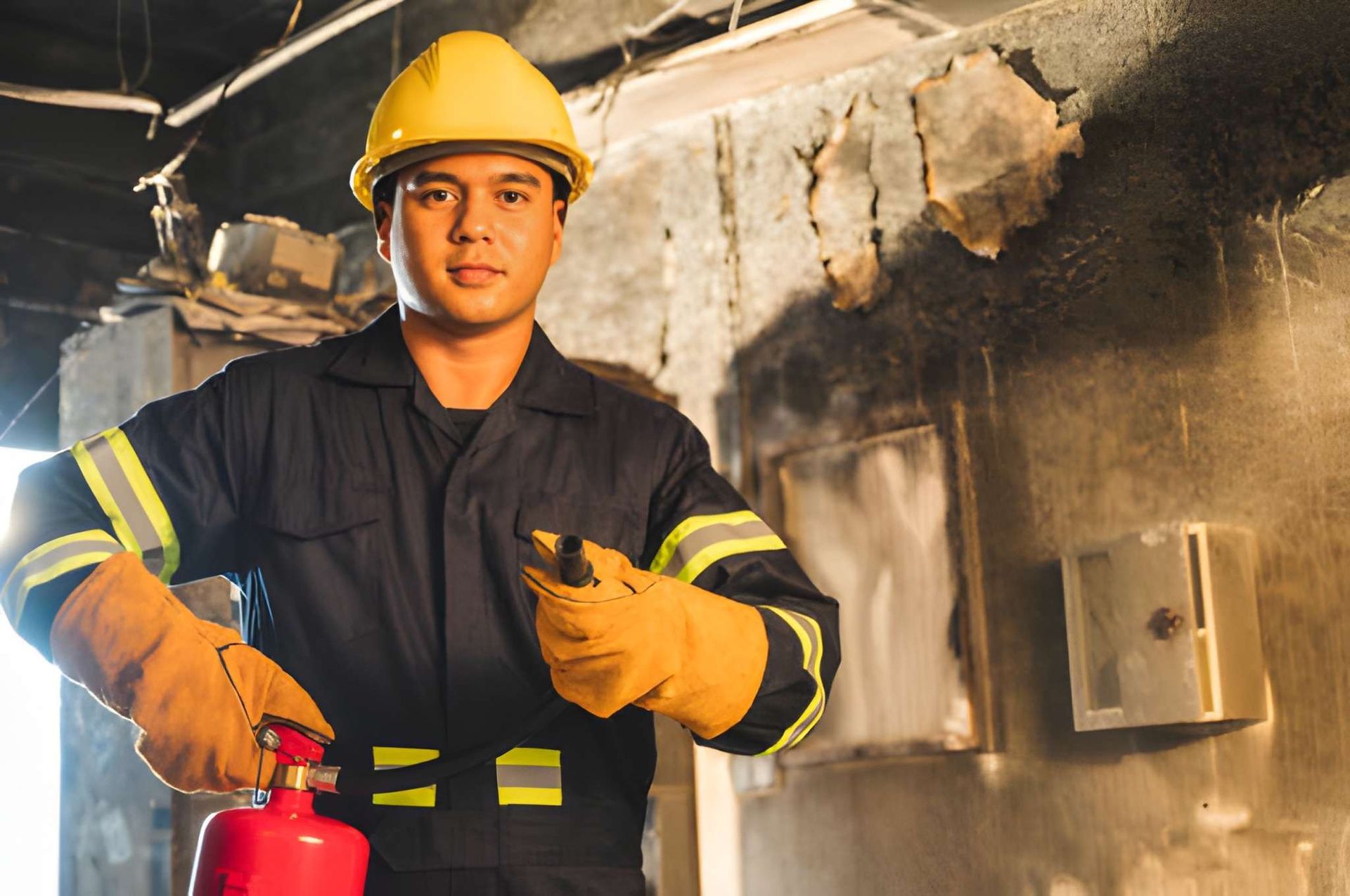
Your insurance company will assign its own adjuster to your case, but knowing how to effectively deal with an insurance adjuster after a house fire ensures you are not a passive observer in this process.
This person is the gatekeeper to your settlement, and you have the right to understand who you’re working with. Before or during your first meeting, arm yourself with these questions:
- "What is your experience with fires of this size and complexity?" A small kitchen fire claim is vastly different from a total loss that requires a complete rebuild. You need to know they have walked this specific path before.
- "How often will you be in communication with me, and what is the best way to reach you?" This sets crucial expectations from day one. It helps prevent that sinking feeling weeks later when you feel like you’ve been forgotten.
- "Can you walk me through the general timeline for a claim like mine?" While they can’t give you an exact date, an experienced adjuster can provide a realistic roadmap. This helps you mentally prepare for the months ahead, from the initial inspection to the final check.
How To Verify Fire Investigator Credentials And Experience
If the cause of the fire is unclear, an investigator may be assigned to your case. An investigator’s findings can make or break your claim, so their work must be methodical and scientifically sound.
A credible fire investigator must adhere strictly to NFPA 921, the industry's official guide for fire investigations. This ensures their findings are based on science, not speculation. Look for these key certifications that prove their expertise:
- CFI (Certified Fire Investigator): Issued by the International Association of Arson Investigators (IAAI).
- CFEI (Certified Fire and Explosion Investigator): Issued by the National Association of Fire Investigators (NAFI).
If you decide to hire a
public adjuster to manage the financial side of your claim, verify they hold a valid license from your state’s department of insurance. Membership in the
National Association of Public Insurance Adjusters (NAPIA) is another strong sign they follow a high code of ethics.
Red Flags To Watch For In Both Professions
In the chaos after a fire, predatory individuals can surface, promising the world when you are at your most vulnerable. Be wary of anyone who shows up uninvited, pressures you to sign contracts on the fire scene, or makes unrealistic guarantees. Watch for these specific red flags:
- High-Pressure Tactics: Anyone who says you must sign with them right now is not working in your best interest. A true professional will give you time to think.
- Vague Contracts or Fees: A reputable professional is always transparent about their fees. Public adjusters typically work on a contingency fee (a percentage of the final settlement, often 5-15%), which should be clearly stated in writing.
- Poor Communication: If they are hard to reach before you even hire them, it will only get worse. This recovery is a marathon, and you need a responsive partner.
An Investigator Who Jumps to Conclusions: A thorough investigation is slow and methodical. Be concerned if an investigator seems to have an opinion before they’ve collected all the evidence.
Your Rights When Working With Fire Adjusters And Investigators
Above all, remember that this is your home, your claim, and your life. You are in charge of your recovery team.
You have the right to be present during inspections, to ask questions essential for avoiding conflicts with your insurance adjuster, and to receive copies of all reports related to your claim. Most importantly, you have the right to hire your own independent experts.
If your insurance company’s settlement offer is too low to possibly rebuild your life, you can hire a public adjuster to fight for every dollar you are owed.
If your claim is denied based on an incorrect finding, you can hire a
private fire investigator to conduct an independent analysis as you begin
deciding whether you need a lawyer for your fire claim. You are the CEO of your recovery, and you have the power to build the expert team you deserve.
Frequently Asked Questions
Can the same person work as both a fire adjuster and a fire investigator on my case?
It's extremely unlikely, and for good reason. Your insurance company intentionally separates these roles to protect you and maintain objectivity.
Think of the fire investigator as a scientist; their only job is to determine the fire's origin and cause. The fire adjuster then acts as an accountant, using that independent report to calculate the financial loss based on your policy. This separation is an ethical standard designed to prevent any conflict of interest.
How long does it typically take for a fire adjuster to complete their assessment?
Waiting for answers is one of the hardest parts of this journey. You should expect the adjuster to make initial contact within 24 to 48 hours of you filing the claim.
The full timeline depends entirely on the scale of the damage. A small kitchen fire might be assessed and settled in a few weeks. However, for a home with major structural damage or a total loss, the process can easily take several months.
Delays are common if the investigator needs to send debris for lab analysis, as the adjuster must wait for those official findings.
What happens if I disagree with the fire investigator's findings about the cause?
If the official report about the cause of the fire doesn't feel right, you have the right to challenge it. Your first move should be to hire your own independent, private fire investigator to conduct a separate analysis.
If their report contradicts the insurance company's findings, you can submit it as powerful evidence to have your claim reconsidered. If your dispute is over the
value of the damage and not the cause, most policies include an appraisal clause that outlines a formal process for resolving disagreements.
Do I have the right to hire my own independent fire investigator or adjuster?
Yes. This is one of the most important rights you have, and it can be a game-changer for your recovery.
You can hire a Public Adjuster, an expert who works exclusively for you—not the insurance company. They manage every aspect of your claim and negotiate for the maximum fair settlement on your behalf.
You can also hire a
private fire investigator to get an unbiased second opinion on the fire's cause. While you are responsible for their fees, having a dedicated advocate in your corner can be invaluable.
How do fire adjusters handle smoke and water damage in addition to fire damage?
A thorough fire claim covers much more than just what burned. The adjuster's assessment must include all related damages. This includes devastating water damage from firefighting hoses and sprinkler systems. It also addresses the extensive smoke and soot damage that can devastate drywall, insulation, furniture, and personal belongings.
A good adjuster will look for hidden issues, like smoke inside your HVAC system or moisture behind walls, often consulting with restoration professionals to accurately price the complex cleanup required.
Conclusion
In the overwhelming quiet after a house fire, knowing who to ask for what is your first real anchor. Grasping the two key professional roles in your recovery process gives you a small but powerful piece of control.
While their jobs are separate, they are deeply connected. Understanding their distinct functions transforms you from a spectator into an informed advocate for your own family.
- The Fire Investigator: This person is a fact-finder, using scientific analysis to determine the fire's origin and cause. Direct your questions about evidence, timelines of the event, and the official report to them.
- The Insurance Adjuster: This person is focused on the financial recovery, assessing the cost of the damage to manage your insurance settlement. Direct all your questions about repair costs, contents valuation, and claim timelines to them.
The investigator's report provides the factual foundation the adjuster needs to resolve your claim fairly. Knowing this distinction prevents wasted time and reduces decision fatigue when you're already running on empty.
You have been through the unimaginable, and the road ahead is long. But understanding who to talk to about what is the first solid piece of ground to stand on, ensuring your path to rebuilding is handled with the accuracy you deserve.